

A Technical Perspective From BEL Acoustics — Bangalore
For decades, the architectural community viewed acoustic panels as functional necessities—essential for sound absorption but rarely considered “desirable” components in interior design. In the past, acoustic treatment was placed strictly for engineering reasons: to reduce reverberation, control echo, or create speech-intelligible spaces. Aesthetics were secondary, sometimes an afterthought.
However, the shift in global workspace design, workplace psychology, hospitality experience, and modern architectural expectations has moved acoustic panels into a new category:
Acoustic panels are no longer hidden utilities.
They are now engineered design elements—visual features that elevate architecture.
At BEL Acoustics, we have observed a clear evolution in Bangalore’s commercial and interior design landscape. Today’s clients, architects, and interior firms expect acoustic panels to deliver both performance and visual value. This is not a trend—this is the future of acoustic design.
This article takes a fully technical, engineering-driven look at how and why acoustic panels have evolved, what materials and technologies are driving this aesthetic revolution, and how acoustic design is now integrated as a core architectural discipline rather than just a technical requirement.
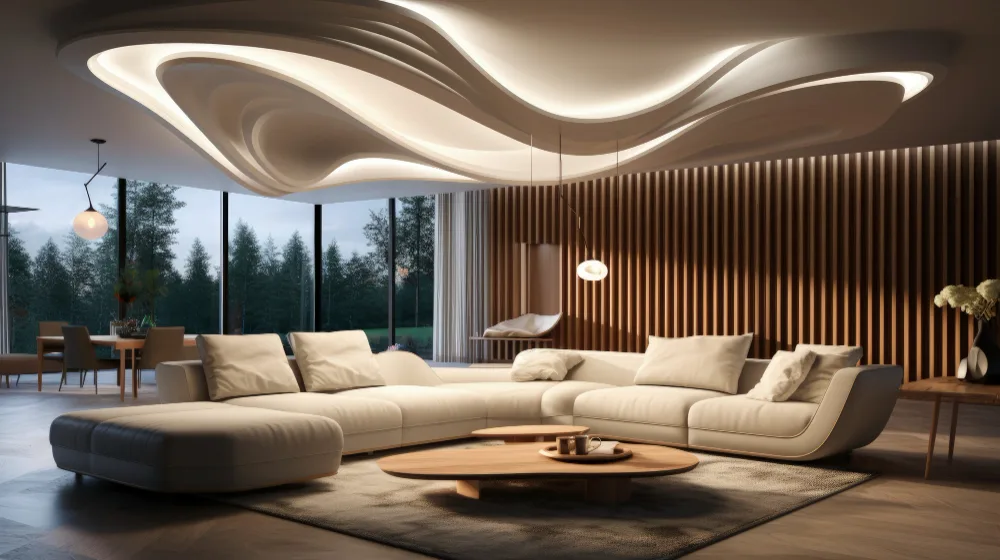
1. Acoustic Panels: The Shift From Pure Function to Architectural Intent
Acoustic design was historically viewed as a problem-solving discipline — “fix the echo”, “reduce noise”, “improve privacy”. Panels were plain rectangles with fabric wrapping, and the goal was simply to achieve absorption coefficients that met RT60 criteria.
Modern spaces, particularly in Bangalore’s tech-driven environments, demand far more. The requirements are now:
• Acoustic efficiency
• Design coherence
• Material harmony
• Brand integration
• Sustainability
• Long-term durability
This shift happened due to four major architectural changes:
1.1 Rise of Open Offices and Hard Surfaces
Workplaces and hospitality environments today use:
- glass
- concrete
- metal
- stone
- exposed ceilings
- minimalistic surfaces
These materials increase sound reflection and amplify reverberation. Acoustic panels are no longer optional; they are mandatory.
1.2 Clients Demand Visual Sophistication
When companies invest in interior design, they expect acoustic installations to:
- blend with the aesthetic
- complement brand colors
- fit into architectural geometry
- look intentional, not forced
This has pushed designers to collaborate with acoustic consultants.
1.3 Emergence of Designer Acoustic Materials
The materials used today—PET felt, slatted wood, perforated MDF, 3D tiles, micro-perf acoustic boards—enable visually expressive surfaces.
Performance is still the foundation, but design is the new differentiator.
1.4 Acoustic Panels Became Part of Brand Identity
Modern offices integrate design-driven acoustic elements that:
- echo the brand’s visual language
- reflect their culture
- reinforce their environment design
Sound treatment has evolved into sound-focused interior architecture.
2. Modern Acoustic Panels: Engineering Meets Aesthetics
To truly appreciate the shift, we must understand what makes today’s acoustic panels “design features”—technically and visually.
Below is a breakdown of the main categories used in premium acoustic design.
2.1 Fabric-Covered Acoustic Panels (Advanced Textile Systems)
These are no longer basic fabric wraps. Today’s fabric acoustic panels offer:
- acoustic transparency (for optimal absorption)
- multiple weave densities
- anti-fade technology
- textured finishes
- brand-color accuracy
- fire-rated materials
- edge detailing and profile shaping
With hundreds of colors and textures, fabric acoustic panels fit into corporate, hospitality, and education environments without disrupting design aesthetics.
2.2 Wooden Slat Acoustic Panels (Slatted Absorber-Diffuser Hybrids)
One of the fastest growing categories. They combine:
- linear wood slats
- black or colored acoustic fleece
- broadband absorption
- low-frequency performance
- natural timber aesthetics
Architects favor wooden acoustic panels because they serve two purposes:
✔ natural, warm, premium aesthetics
✔ absorption + partial diffusion for balanced room acoustics
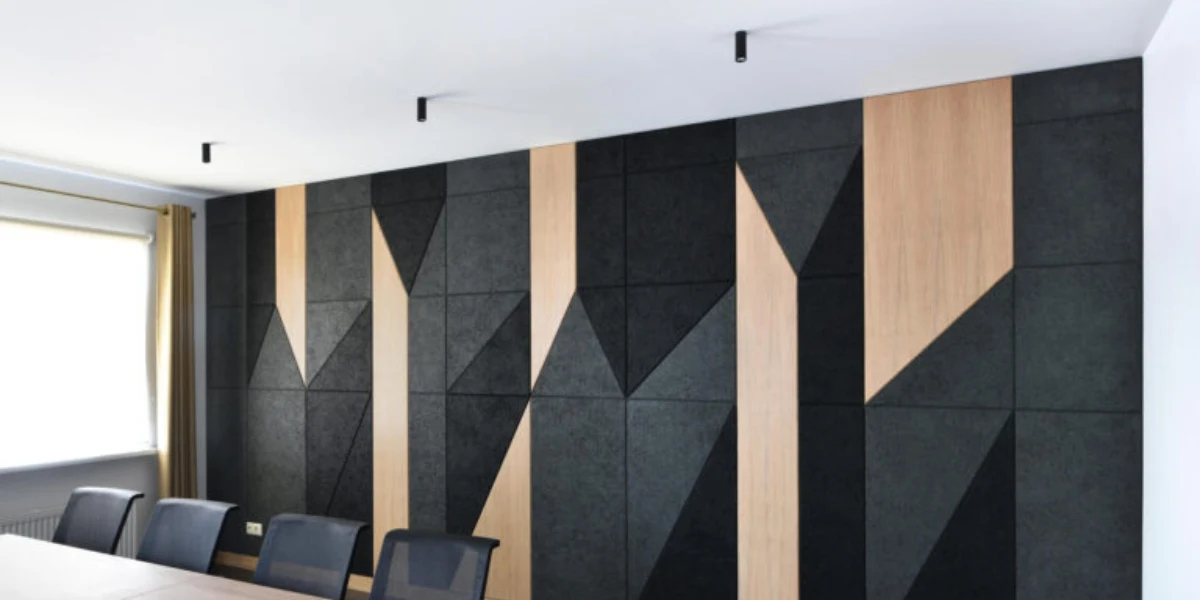
2.3 3D Acoustic Panels (Geometric Architectural Forms)
These panels use advanced PET or molded materials with:
- 3D geometric shapes
- wave patterns
- diamond and prism formations
- modular tessellations
- CNC precision cutting
These are design-forward elements that also:
- break up flutter echo
- scatter sound energy
- create strong wall features
This is where acoustic panels become art pieces.
2.4 PET Felt Panels (Sustainable Acoustic Design)
PET panels are highly preferred for:
- sustainability
- lightweight structure
- recyclability
- design flexibility
- acoustic efficiency
They can be:
- laser cut
- layered
- 3D formed
- patterned
- color-matched
PET acoustic panels are now the most used solution in Bangalore’s corporate interiors.
2.5 Perforated Acoustic Panels (Micro-Perforated Systems)
These panels provide:
- high NRC values
- tunable performance
- precise absorption across frequencies
Patterns include:
- circular perforation
- slot perforation
- micro-perforation
- architectural grid patterns
They are widely used in:
- boardrooms
- auditoriums
- training halls
- cabins
- wall-to-wall systems
3. The Technical Science Behind Beautiful Acoustic Panels
Aesthetic acoustic panels look good, but their performance is rooted in engineering principles.
Here are the core technical functions:
3.1 Sound Absorption
Panels remove excess sound energy by:
- converting sound waves into heat
- reducing reverberation time
- controlling mid-high frequencies
This is critical in:
- open offices
- conference rooms
- restaurants
- collaboration zones
3.2 Diffusion
Designer acoustic panels incorporate shapes that:
- scatter reflections
- improve clarity
- create even sound fields
- avoid “dead” or “boomy” areas
Diffusion panels (3D forms, wood slats, geometric surfaces) are growing in Bangalore’s luxury design segment.
3.3 Isolation Enhancement
Acoustic panels assist in improving:
- cabin privacy
- cross-room noise blocking
- flanking path reduction
Especially when paired with doors, ceiling sealing, and isolation layers.
3.4 Acoustic Design Optimization
Panels are strategically placed based on:
- room modal analysis
- RT60 measurement
- reflective path mapping
- absorption coefficient targeting
- resonance control
This ensures the installation is scientifically correct, not decorative guesswork.
4. Why Aesthetic Acoustic Panels Matter in Modern Interior Design
This shift is deeply connected to how people experience spaces.
Below are the major reasons acoustic panels have become design-centered.
4.1 People Expect Quiet, Controlled, Comfortable Spaces
Whether it’s a:
- boardroom
- café
- premium cabin
- co-working space
People expect clean sound. They notice when sound is wrong, even if they don’t know why. Acoustic panels address this expectation elegantly.
4.2 Visuals Impact Perception of Acoustic Quality
A space that looks controlled often feels controlled.
Designer acoustic panels enhance the psychological sense of comfort.
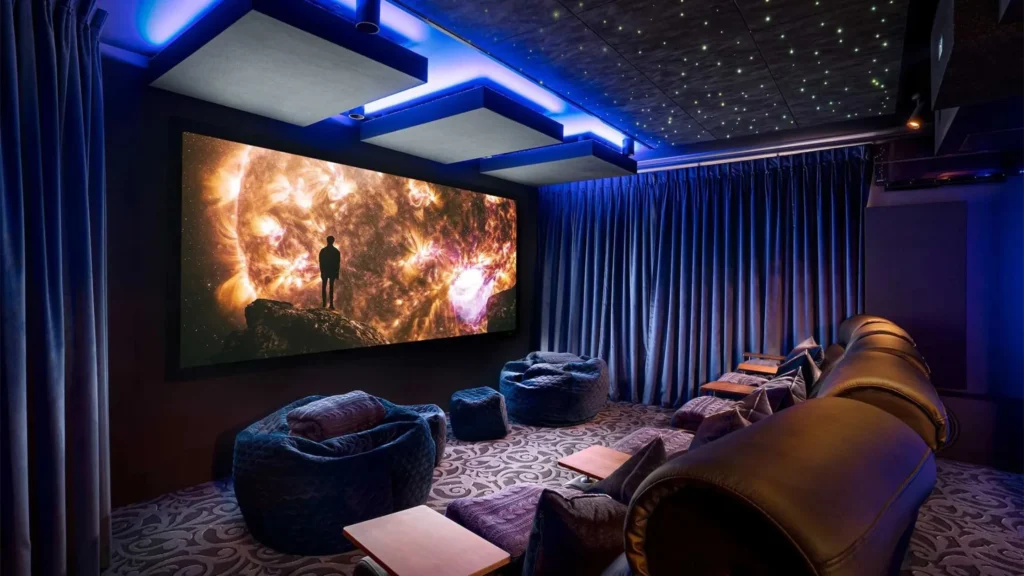
4.3 Interior Designers Want Integration, Not Add-Ons
Design firms today request:
- “panels that match our palette”
- “acoustic design that looks intentional”
- “solutions that are visually premium”
Acoustic panels must now:
- match materials
- align with geometry
- enhance the space
- deliver technical function without aesthetic compromise
4.4 Acoustic Panels Increase Perceived Luxury
Spaces that combine:
- soft materials
- warm textures
- geometric precision
- balanced sound
feel premium, even if the user doesn’t know why.
This is why luxury restaurants, high-end cabins, and modern offices in Bangalore invest heavily in designer acoustic panels.
5. Sector-Wise Application of Aesthetic Acoustic Panels
Aesthetic acoustic panels are now a design standard across several industries. Below is a technical and design-driven breakdown of how these panels are integrated into different environments.
5.1 Corporate Offices & Boardrooms
Why they need aesthetic acoustic panels:
Modern offices in Bangalore feature:
- full-glass partitions
- exposed ceilings
- open seating layouts
These materials dramatically increase reverberation and speech interference.
Design-centric acoustic solutions we deploy:
- wooden slat acoustic panels for boardrooms
- PET felt geometric panels for open offices
- fabric acoustic panels matching corporate colors
- acoustic ceiling clouds for collaborative zones
Performance goals:
- speech clarity
- privacy
- balanced absorption
- brand-integrated visual design
Aesthetic acoustic panels make the workspace look refined while scientifically reducing echo and noise.
5.2 CEO Cabins & Executive Suites
Executive spaces require:
- confidentiality
- premium aesthetics
- controlled reverberation
Design-first acoustic treatment includes:
- luxury fabric acoustic panels
- diffusers disguised as design elements
- wood-finished absorber-diffuser hybrids
- hidden acoustic layers behind décor
These spaces benefit from high-density acoustic treatment while maintaining an executive visual identity.
5.3 Restaurants, Cafés, Lounges
Modern hospitality venues prioritize:
- ambience
- visual identity
- comfort
Hard surfaces like metal and concrete create high echo.
Aesthetic-forward acoustic solutions include:
- 3D acoustic panels
- PET felt wall art
- ceiling rafts designed as décor
- patterned acoustic baffles
These panels reduce echo while becoming signature visual features.
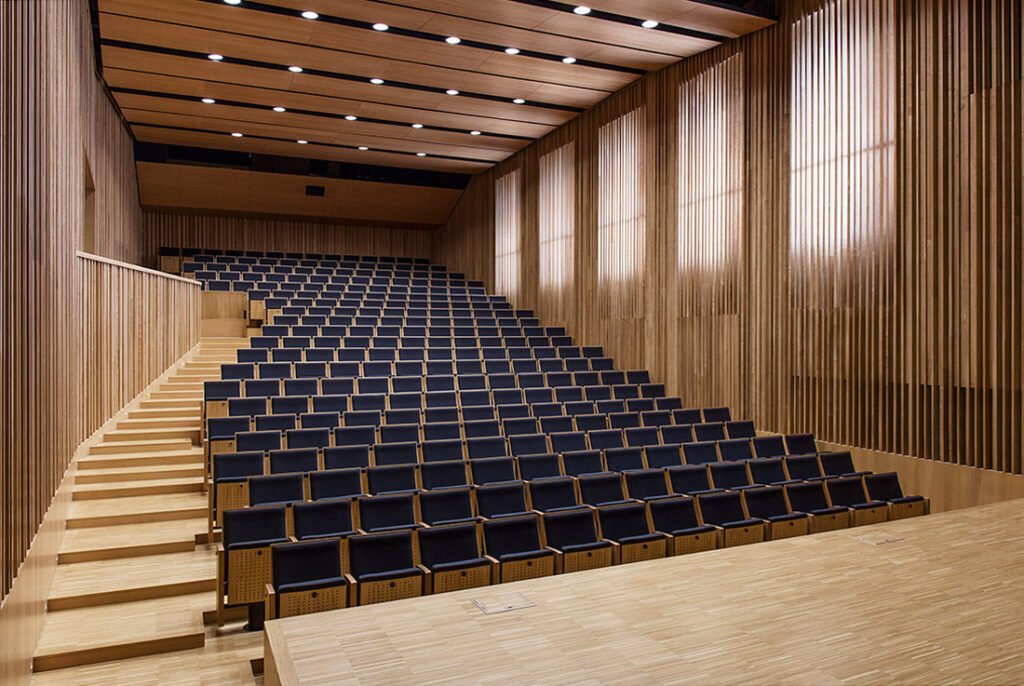
5.4 Educational Institutions & Training Centers
Wherever speech clarity is essential, acoustic design is critical.
Common installations:
- perforated acoustic panels
- linear slat walls
- PET felt ceiling systems
- broadband absorbers
These solutions support voice projection and student concentration.
5.5 Recording Rooms, Studios & Production Spaces
These spaces require:
- precise acoustic absorption
- calibrated diffusion
- low-frequency control
Aesthetic acoustic panels in studios now use:
- deep-motion 3D tiles
- custom CNC diffusion
- brand-integrated PET designs
- multi-layered fabric walls
Functionality is critical—but so is client experience and visual feel.
6. Materials Behind Modern Aesthetic Acoustic Panels
Aesthetic acoustic design is made possible due to innovations in material science.
Below is an expert breakdown of commonly used materials.
6.1 PET Felt Acoustic Panels
Key Performance Features:
- high NRC (0.75–0.90)
- lightweight
- thermally stable
- recyclable
- CNC-friendly
Aesthetic Features:
- 3D shaping
- custom patterns
- brand color matching
- modular layouts
PET acoustic panels are a staple in Bangalore interiors due to their sustainability + design versatility.
6.2 Wooden Acoustic Slats
Performance:
- Hybrid absorption-diffusion
- Resonance control
- Warm tonal response
Design Benefits:
- timeless wood aesthetics
- linear precision
- premium corporate feel
These panels are used in boardrooms, premium offices, and luxury cafés.
6.3 Fabric-Wrapped Acoustic Panels
Performance:
- broadband absorption
- high fire performance
- great for speech-frequency control
Design:
- thousands of textile options
- pattern stitching
- corporate-color consistency
Fabric acoustic panels remain a top choice for corporate India.
6.4 Micro-Perforated Acoustic Panels
Performance:
- high-frequency absorption
- tunable
- scientific precision
Design:
- architectural patterns
- clean, minimalist look
Ideal for premium conference rooms and auditoriums.
6.5 3D Acoustic Tiles
Performance Benefits:
- scattering + absorption
- echo reduction
- aesthetic prominence
Design Advantages:
- geometric expression
- color layering
- modular artistic patterns
These panels often act as design centerpieces.
![Printed Matte Polyester Fabric [AT]](https://belacoustics.in/wp-content/uploads/2025/08/Untitled-design-88-1024x1024.webp)
7. How BEL Acoustics Integrates Aesthetic Acoustic Panels Into Interior Design
Our methodology ensures that acoustic panels integrate seamlessly into the space, preserving both design intentions and engineering accuracy.
7.1 Acoustic Audit & RT60 Analysis
We begin with:
- reverberation time measurement
- surface reflectivity mapping
- noise path analysis
- space usability evaluation
This defines technical requirements for absorption and diffusion.
7.2 Aesthetic & Design Integration Study
Once engineering requirements are mapped, we consider:
- color combinations
- material compatibility
- architectural geometry
- visual symmetry
- brand identity
Our aesthetic acoustic panel designs blend performance with architectural intent.
7.3 Material Engineering & Acoustic Calculations
We calculate:
- absorption coefficients
- reflectivity levels
- placement geometry
- panel density requirements
- diffusion patterns
This ensures that beauty and performance work together.
7.4 Custom Manufacturing & Fabrication
We engineer panels with:
- CNC cutting
- enhanced edge profiles
- durable mounting systems
- fire-rated materials
- long-term structural integrity
The final product is both a design element and a technical acoustic solution.
7.5 Precision Installation & Testing
Our team performs:
- panel alignment
- symmetrical mounting
- echo testing
- privacy verification
- acoustic calibration
This guarantees perfect integration.
8. The Future of Acoustic Panels: Where Aesthetics & Engineering Converge
Acoustic design is evolving rapidly. The next generation of panels will be:
• More sustainable
With recycled PET, bamboo slats, and eco-fabric.
• More architectural
Panels that resemble sculptural elements.
• More intelligent
IoT-enabled sound-masking panels.
• More integrated
Acoustic ceilings + lighting + ventilation in one system.
• More visually expressive
3D geometric surfaces, layered textures, fluid shapes.
In Bangalore’s design ecosystem, this shift has already begun.
BEL Acoustics continues to lead by bringing engineering rigor and architectural sensitivity together.
9. Why Acoustic Panels Elevate Brand Identity
Aesthetic acoustic panels do more than improve sound—they influence how a brand is perceived.
9.1 Visual Consistency
Panels can match brand colors, textures, and material palettes.
9.2 Premium Experience
Quiet, controlled, visually refined spaces elevate user experience.
9.3 Spatial Comfort
Aesthetic panels create a sense of calm and clarity.
9.4 Professional Identity
Clients associate well-designed acoustics with premium service.
Request a Technical Acoustic Consultation in Bangalore
We will provide:
✔ RT60 + acoustic analysis
✔ Material recommendations
✔ Aesthetic acoustic panel design options
✔ Performance calculations
✔ Installation plan
✔ Cost + timeline brief
Click to request your consultation today.
This consultation is ideal for:
- architects
- interior designers
- corporate facility teams
- hospitality projects
- cabin & boardroom upgrades
- workspace renovations
BEL Acoustics — Acoustic Engineering & Design Consultants, Bangalore
12. FAQs
1. Are acoustic panels only used to reduce sound?
No. Modern acoustic panels are engineered to improve sound and enhance interior aesthetics.
2. What types of acoustic panels are ideal for premium interiors?
PET felt, wooden slat panels, 3D tiles, micro-perf panels, and luxury fabric-wrapped panels.
3. Can acoustic panels be customized?
Yes. BEL Acoustics customizes panels in shape, size, color, texture, and pattern.
4. Do designer acoustic panels perform as well as technical panels?
Yes—when engineered correctly, aesthetic acoustic panels provide high NRC and balanced acoustic performance.
5. Which environments benefit most from aesthetic acoustic panels?
Offices, boardrooms, cabins, cafés, lounges, studios, educational facilities, and premium hospitality spaces.
6. Do acoustic panels require maintenance?
Minimal. PET and wood slat systems are highly durable.
Transform Your Interiors With Aesthetic Acoustic Panels
Improve sound performance without compromising on design.
Contact BEL Acoustics for expert-driven solutions.
📧 Email: info@belacoustics.in
WhatsApp : +91 97390 18885